Crawl Space Moisture Control
Worried about moisture beneath your home? Getting help starts with a simple phone call or filling out a short form. Tell us what you’ve noticed, and we’ll help you understand the next steps.
Moisture under your home can be unsettling, especially when the crawl space stays damp after the weather clears. You don’t need to diagnose the problem or choose a system before reaching out. Just call or fill out the short form and tell us if you’ve noticed wet ground, damp materials, or standing water.
Encapsulation can reduce moisture rising from exposed soil, but a liner alone will not fix active water intrusion. Drainage or a leak may need attention first. The right plan can also include sealing, insulation, humidity control, and access to equipment that needs maintenance.

Encapsulation is not simply a matter of covering the crawl space floor with plastic. The system should account for standing water, soil moisture, existing building materials, and ventilation or conditioning requirements. Addressing active water problems before installing a barrier is an important part of the process.
Moisture may enter a crawl space through exposed soil, foundation openings, surface runoff, groundwater, or plumbing leaks. An assessment should look for standing water, condensation, damp materials, and visible deterioration. Understanding the source helps determine whether drainage or repairs are needed before encapsulation.
A ground vapor barrier reduces moisture movement from exposed soil into the crawl space. Materials vary in thickness and durability. Proper installation includes appropriate seam overlaps, sealing, and secure attachment at relevant edges and penetrations.
Encapsulation materials should not be used to hide standing water. If groundwater or surface runoff enters the crawl space, drainage improvements may be needed first. The solution may involve grading corrections, exterior drainage, or a suitable collection system.
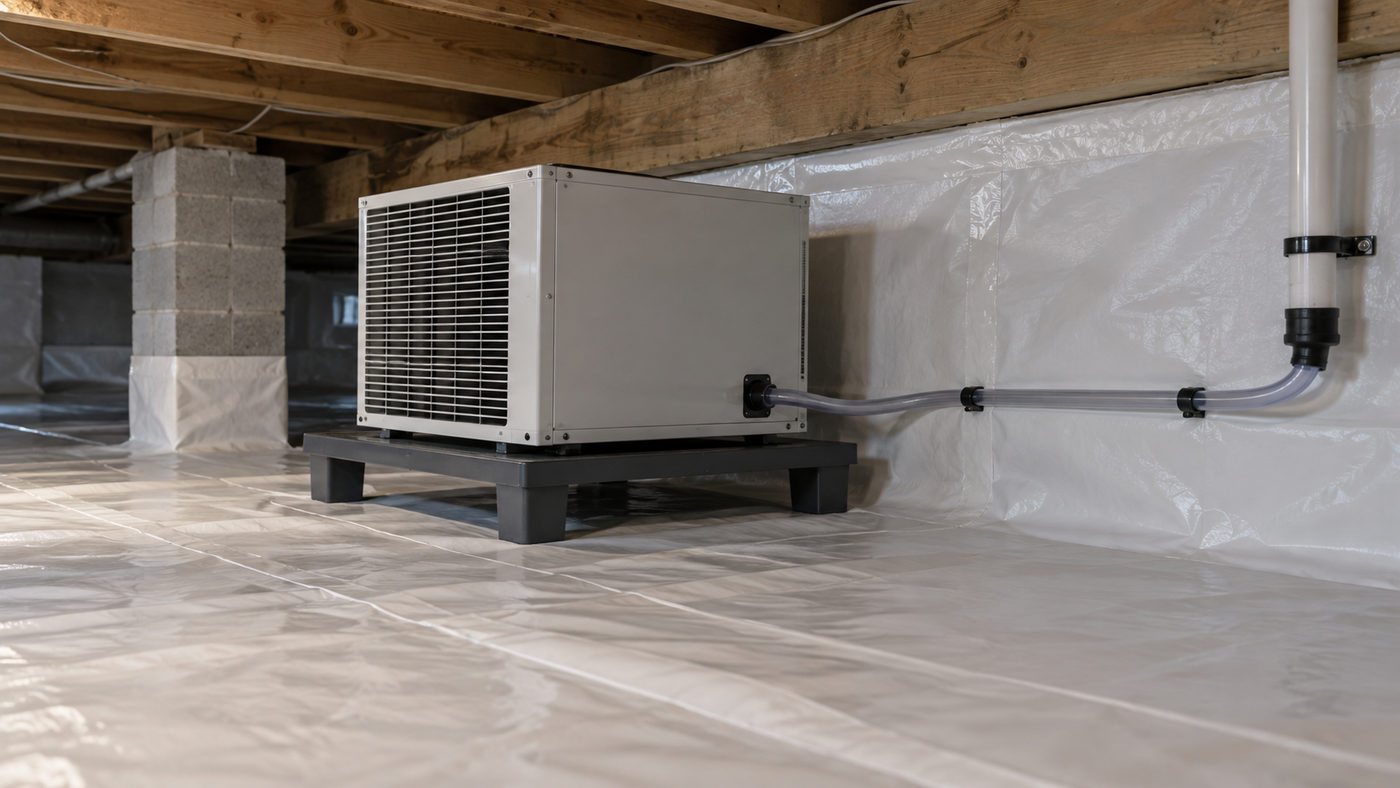
Some encapsulated crawl spaces require mechanical dehumidification or another approved conditioning strategy. The appropriate method depends on the building configuration, climate, and applicable requirements. Humidity management should be considered alongside the vapor barrier.
Insulation location and material selection can affect moisture performance. Some crawl space designs use insulation along foundation walls rather than between floor joists. The appropriate arrangement depends on the existing structure and applicable building standards.
An encapsulated crawl space still needs periodic inspection. Plumbing leaks, damaged barrier sections, and equipment failures can occur after installation. Access points should remain usable, and homeowners should understand what conditions to monitor.
As a ballpark, basic crawl-space encapsulation can run $3–$7 per square foot. That is a starting point for basic barrier-focused work, not the price of a complete moisture-control system. Whole projects can vary widely, roughly $1,500–$15,000, depending on the size of the space and what it needs.
A dry, accessible crawl space is a different job from one that needs standing water addressed, drainage, cleanup, insulation, or a dehumidifier. Barrier materials, floor area, working height, and access also affect the final cost. The best way to understand the price for your home is to request a project-specific estimate.
Call (215) 486-0519 Request an Estimate
Just call or click “Request an Estimate” and fill out the short form to tell us what you’ve noticed beneath your home.
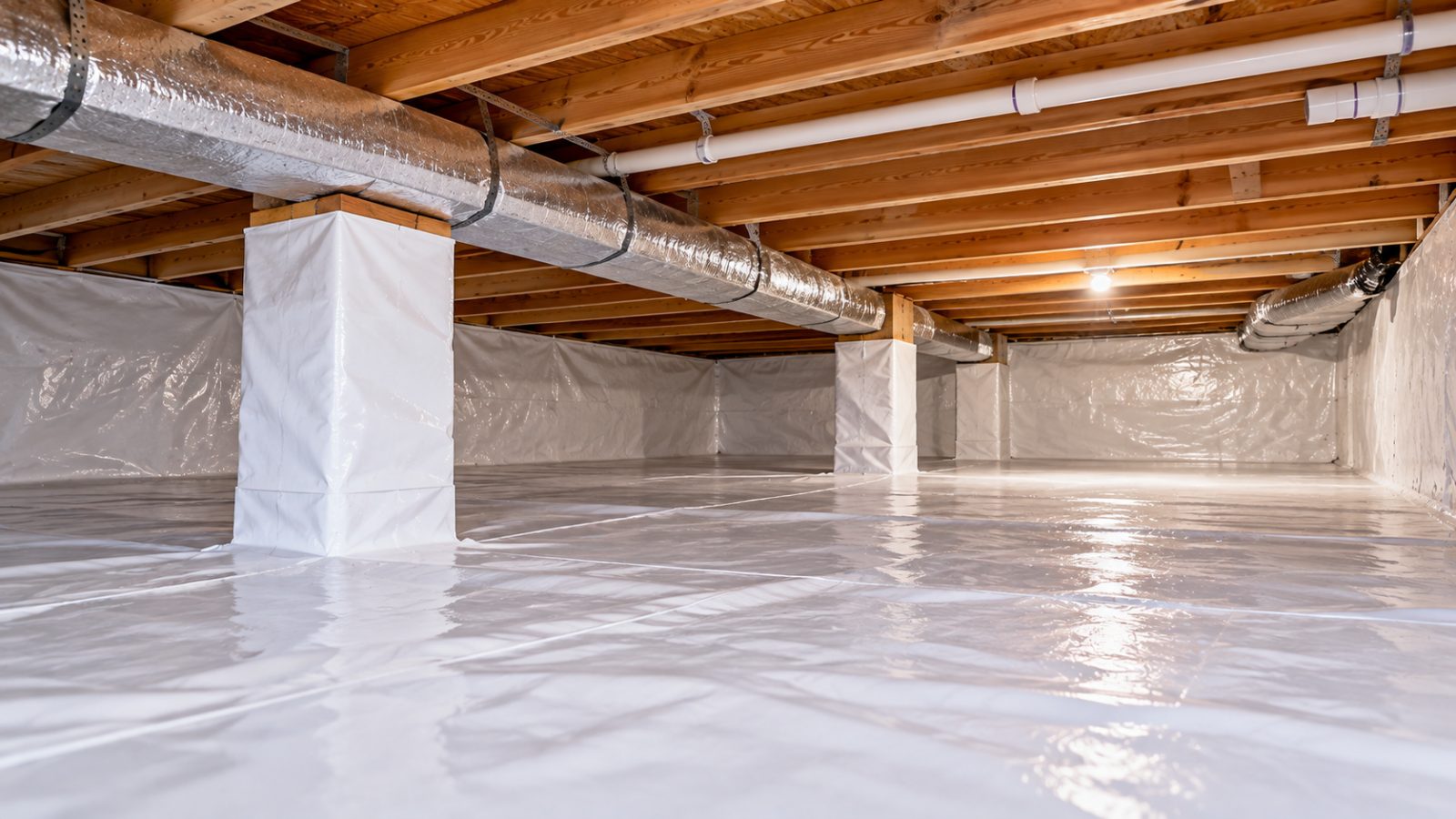
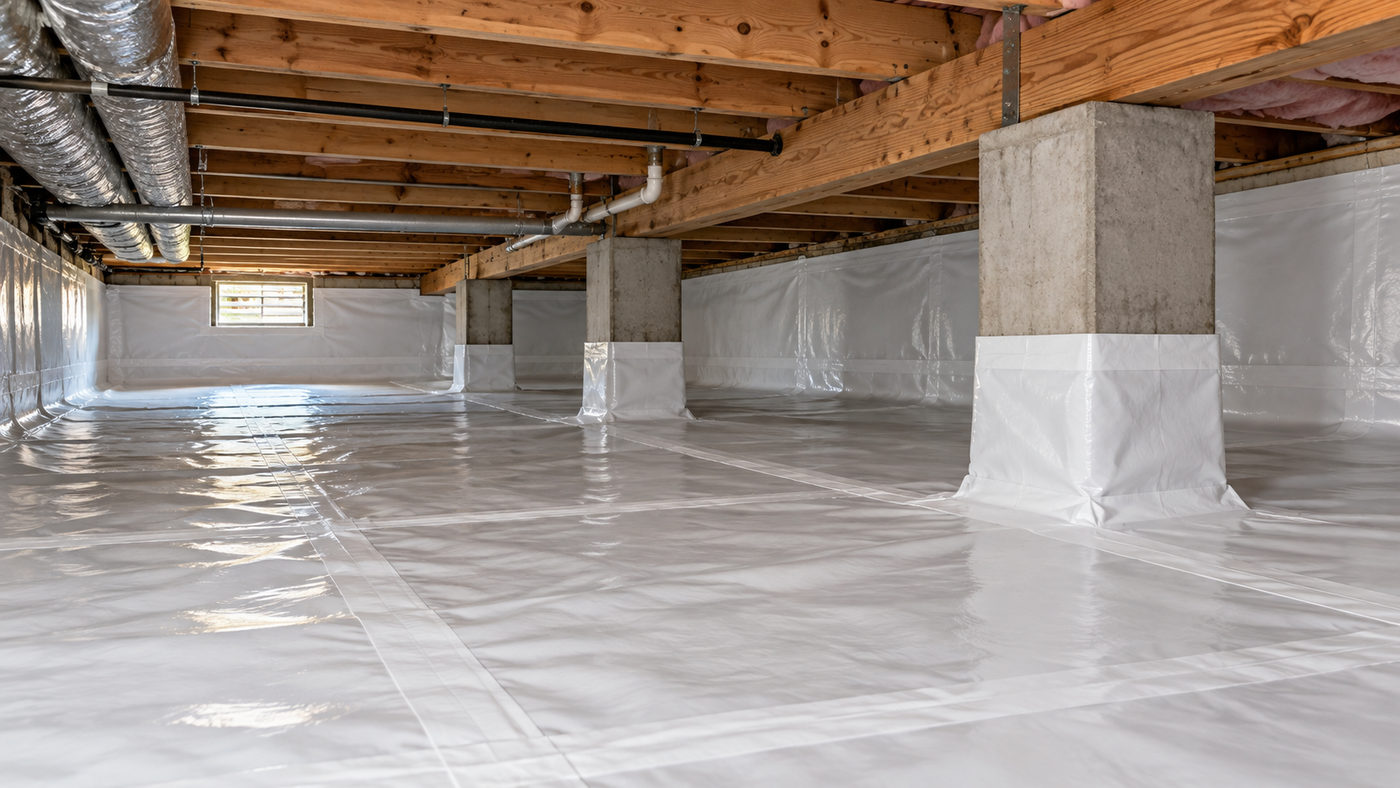
Standing water, soil vapor, condensation, and plumbing leaks require different responses.
Active water intrusion should be addressed before a vapor barrier covers the affected area.
Barrier materials, sealing, insulation, and humidity management should work together.
Crawl space systems should allow for necessary inspection and maintenance.
Getting started is easy. Just call us or click “Request an Estimate” below and fill out the short form. Tell us what you’ve noticed in your crawl space, and we’ll help you understand the next steps toward getting the moisture problem addressed.
Call (215) 486-0519 Request an Estimate
A few details are enough to get the request started.
Evaluate visible moisture, drainage, access, insulation, and existing material conditions.
Identify appropriate drainage, vapor barrier, sealing, and humidity-control measures.
Address agreed cleanup and active moisture problems before installing barrier materials.
Install and secure the specified barrier system, including seams and penetrations.
Explain inspection access, maintenance needs, and signs of future moisture problems.
Active leaks and standing water should be addressed first. Covering the ground without correcting the moisture source can leave water trapped beneath the barrier or elsewhere in the crawl space.
Plumbing, electrical components, drains, and other equipment may need inspection or maintenance. Barrier layout and humidity control should account for that access rather than simply covering every surface.