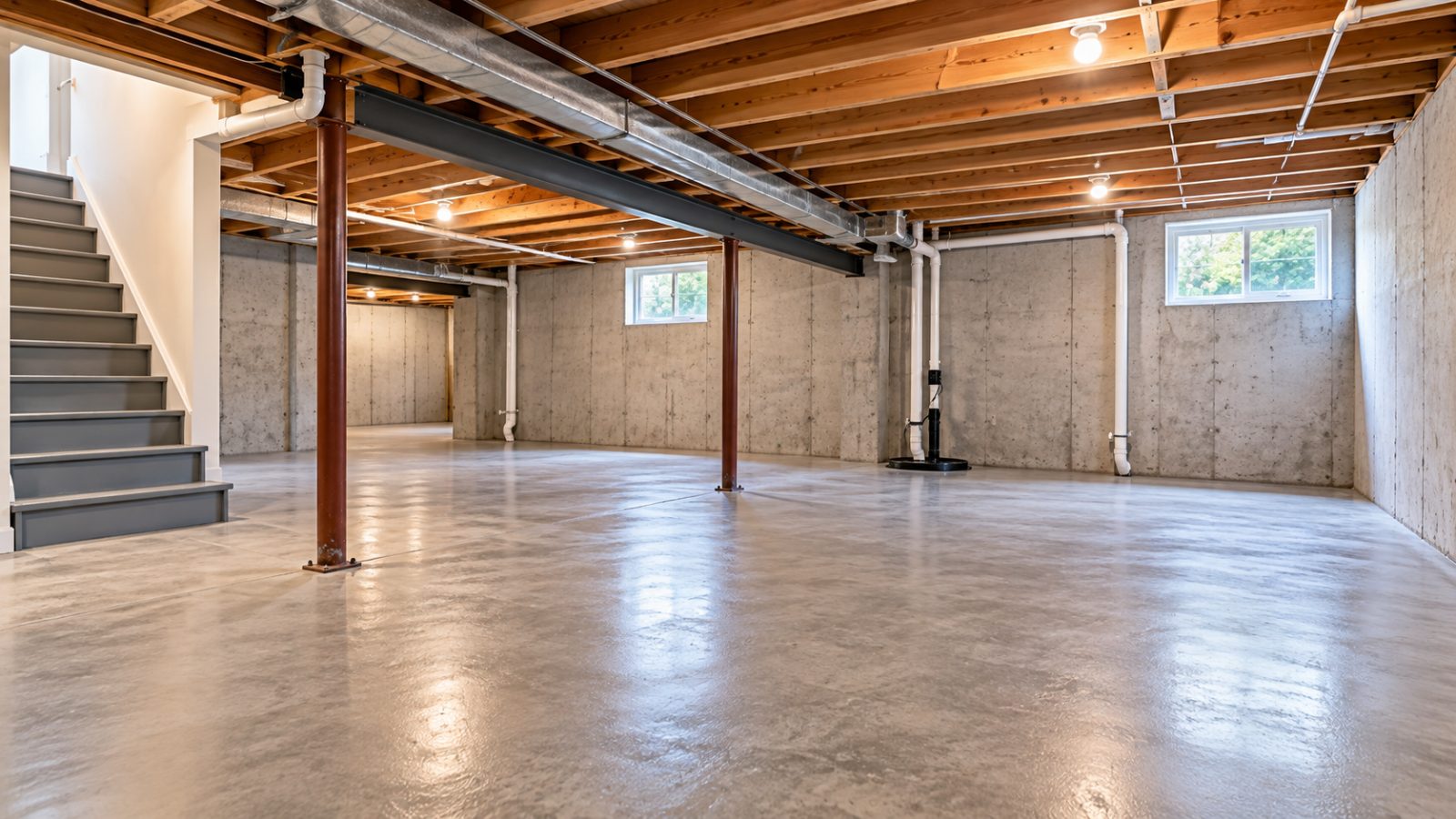
Wet Basement in Bensalem?
Basement Waterproofing in Bensalem, PA
Leaks, standing water, or a sump pump that can’t keep up? Help is just a phone call away. Or fill out the short form and tell us what’s happening in your basement.
Wet Basement in Bensalem?
Leaks, standing water, or a sump pump that can’t keep up? Help is just a phone call away. Or fill out the short form and tell us what’s happening in your basement.
Water in your basement can leave you worrying about your home and what happens next. You don’t have to figure it out alone. Just call Basement Waterproofing Bensalem or fill out the short form and tell us what’s happening. Take the first step toward getting the problem fixed and enjoying your home again.
Start with the problem you’re seeing: cracks, recurring seepage, flooding, sump pumps, or crawl-space moisture.
Repair leaking foundation cracks and address moisture entering through basement walls and floors.
See crack repair →Manage recurring groundwater with interior basement drainage and water collection systems.
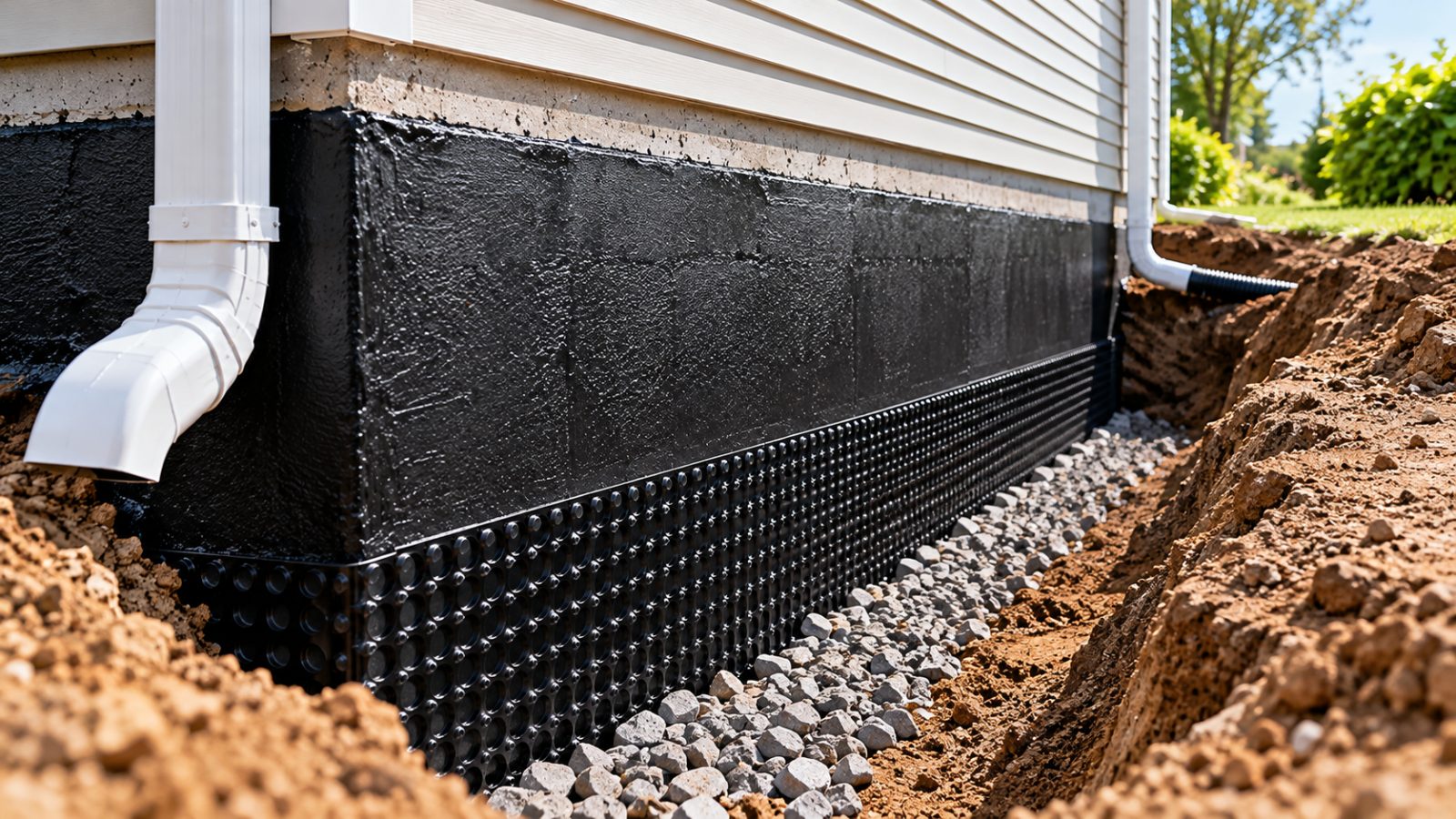
See interior waterproofing →Protect foundation walls from outside moisture with waterproofing membranes and drainage improvements.
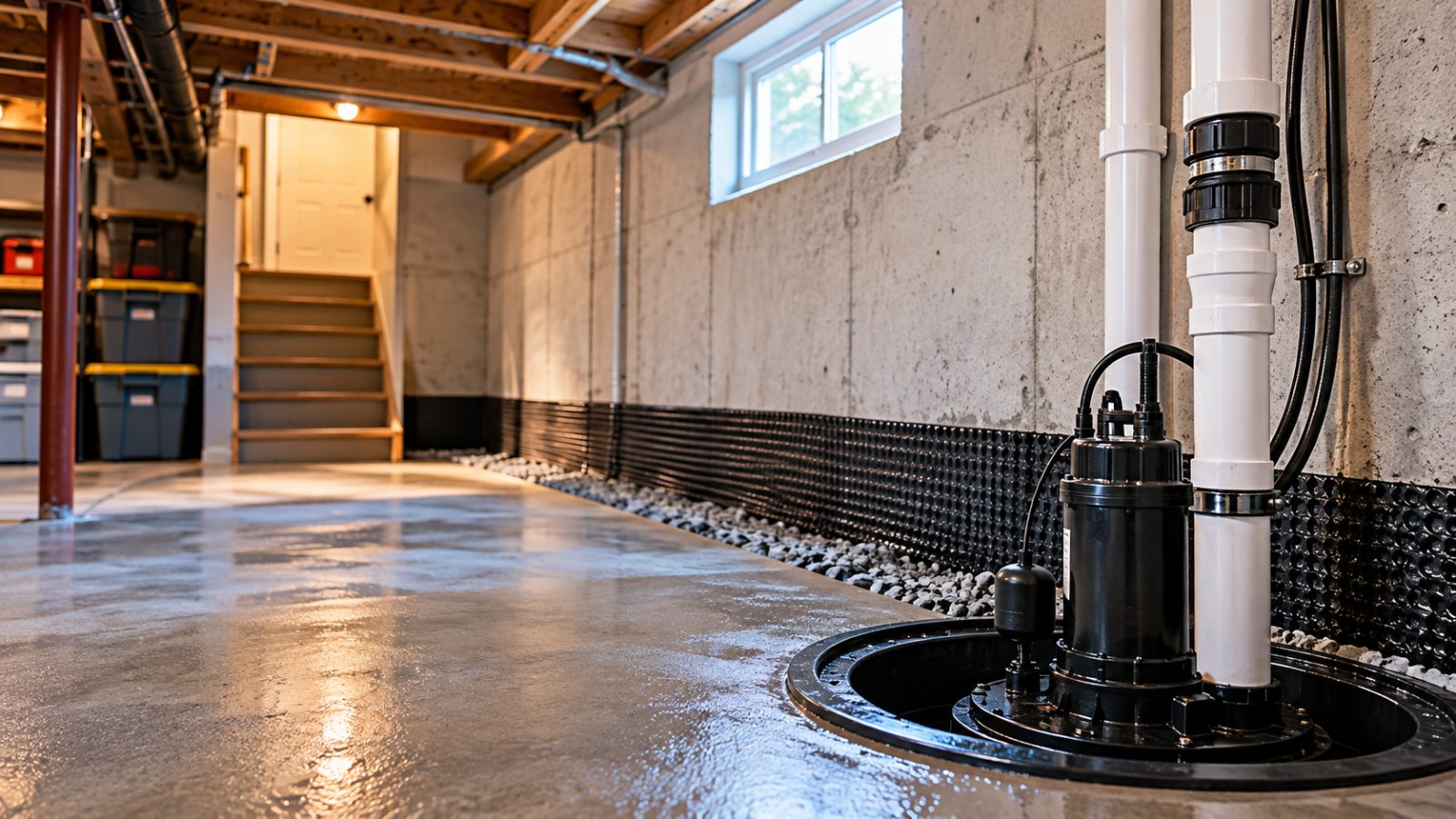
See exterior waterproofing →A pump that stops working may need a repair, not always a replacement. Get help assessing the pump, discharge line, and backup options.
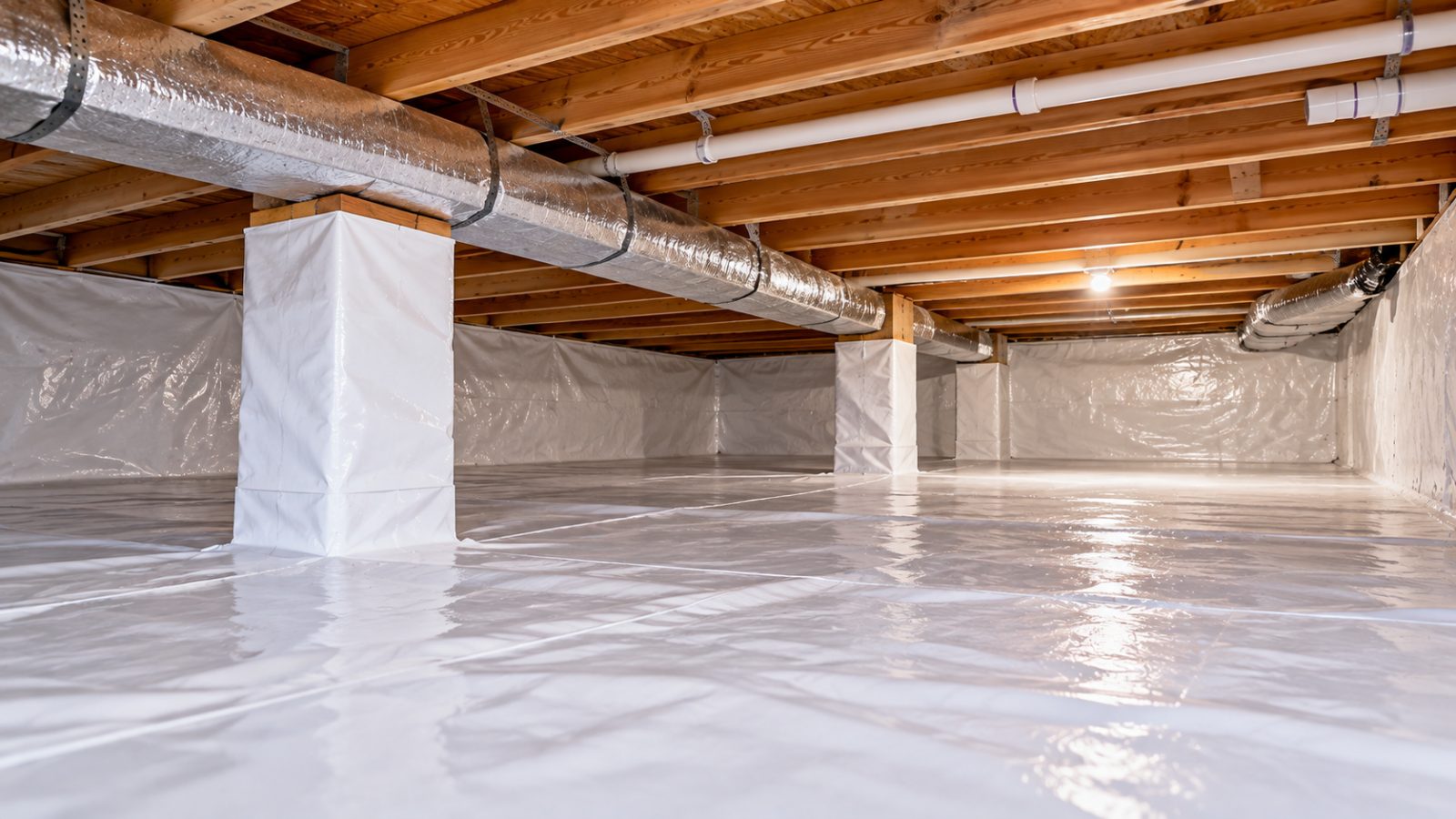
See sump pump repair or replacement →Reduce ground moisture beneath your home with crawl space vapor barriers and moisture management.
See crawl space encapsulation →Improve basement natural light and emergency escape access with properly planned egress windows.
See egress window installation →Cost depends on where water enters and how much work the repair requires. These separate national planning examples describe different scopes: sealing one nonstructural crack can run $200–$1,000; an interior perimeter drain, $40–$120 per installed linear foot; and replacing a sump pump in an existing pit, $350–$1,000. Exterior waterproofing projects can run $7,000–$15,000, while extensive excavation, drainage, and membrane work can exceed $20,000.
These are not a local average, a quote from this website, or a price for one typical Bensalem basement. Site conditions, the specific repair, and a provider's written proposal determine the actual cost.
To discuss your project, call (215) 486-0519 or send your project details and ask about an estimate.
Basement water can enter a home in several ways. Cracks in concrete walls may allow groundwater to pass through. Water can also enter where the foundation wall meets the basement floor, through gaps around utility penetrations, or around basement windows. In some homes, dampness is caused by condensation rather than a direct leak.
Heavy rainfall can increase the amount of water in the soil surrounding a foundation. When that soil becomes saturated, water pressure can push moisture through vulnerable areas. Poor exterior grading, clogged gutters, and downspouts that discharge near the house may add to the problem.
The right waterproofing solution depends on the conditions. A stable foundation crack may be suitable for targeted sealing. Recurring seepage along a basement perimeter may require interior drainage and a sump pump. Exterior waterproofing may be appropriate where the outside foundation wall needs protection and excavation is practical.
A complete approach also considers how water moves around the property. Directing roof runoff away from the foundation, maintaining drainage, and checking sump pump operation can help reduce recurring problems.
Have a basement water problem in Bensalem, Croydon, Levittown, Penndel, Trevose, Fairless Hills, or Parkwood? Tell us where your home is and what you’re noticing. Foundation construction, lot elevation, and drainage conditions can all affect the right repair.
Some properties have poured concrete foundations, while others have masonry walls, slabs, or crawl spaces. Low-lying lots may experience different groundwater conditions from properties on higher ground. Landscaping, paved surfaces, and downspout placement can also influence how water reaches the foundation.
Whether you live in Bensalem or a nearby community, understanding the foundation and surrounding drainage is an important part of selecting a moisture-control solution.
A waterproofing plan should consider where water enters and what conditions contribute to the problem.
A localized foundation crack may need a different repair than recurring groundwater seepage.
Exterior grading, downspouts, and groundwater movement can influence basement moisture.
Sump pumps, drainage systems, and waterproofing components may need periodic inspection.
Homes in Bensalem, nearby Lower Bucks County communities, and Parkwood in Northeast Philadelphia can have different foundation and drainage conditions.
Heavy rainfall can saturate the soil around your foundation and increase groundwater pressure. Water may enter through foundation cracks, wall-to-floor joints, basement windows, or other openings. Poor grading and downspout drainage can make the problem worse. Identifying the source of the water is the first step toward choosing an appropriate repair.
Interior waterproofing manages water that reaches the foundation by collecting and directing it toward a suitable discharge system. Exterior waterproofing helps prevent water from passing through the outside foundation wall. Both approaches can be appropriate depending on foundation construction, groundwater conditions, exterior access, and project requirements. Neither method is automatically the best choice for every home.
Many basement water problems can be addressed without exterior excavation. Certain stable foundation cracks can be repaired from inside, and interior drainage systems can manage recurring groundwater seepage. However, some problems require exterior waterproofing or drainage improvements. The appropriate approach depends on where water enters and the condition of the foundation.
Not necessarily. A sump pump is useful when groundwater needs to be collected and mechanically discharged from a basement. If the problem comes from a single foundation crack or surface runoff, a different repair may be more appropriate. The frequency, location, and amount of water intrusion help determine whether a sump pump is needed.
Not every foundation crack indicates structural damage. Some cracks develop from concrete shrinkage and remain stable, while others may be associated with settlement, soil pressure, or structural movement. Horizontal cracks, bowing walls, significant displacement, or widening cracks should be evaluated by a qualified structural engineer. Waterproofing a crack does not automatically correct an underlying structural problem.
Insurance coverage depends on the policy and the cause of the water damage. Standard homeowners policies often exclude groundwater seepage and flooding, while certain sudden plumbing-related losses may be covered. Separate flood insurance or water backup endorsements may provide coverage for specific situations. Homeowners should review their policy and contact their insurance provider for a coverage determination.
Keep gutters clear, direct downspouts away from the foundation, and maintain grading that encourages rainwater to move away from the house. Inspect visible foundation cracks, basement windows, and sump pump equipment regularly. Address recurring moisture before it damages building materials. Homes with persistent groundwater problems may need a professionally designed drainage or waterproofing system.
Getting started is easy. Just call us or fill out a short contact form and tell us what’s happening in your basement. We'll let you know what the next steps are to get your basement dry and secure again.